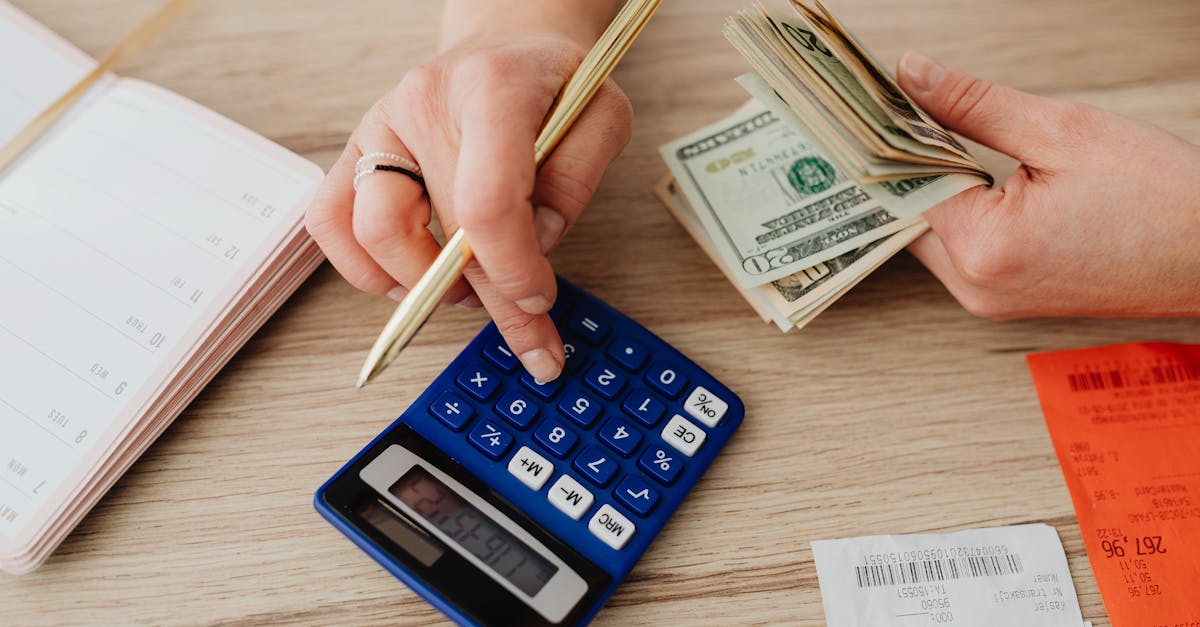
Budgeting for Beginners: Simple Steps to Financial Peace
Are you tired of feeling like your money disappears without a trace? Do you dream of saving for a big goal, but can’t seem to make it happen? If so, you’re not alone. Many people find the idea of budgeting for beginners daunting, imagining complicated spreadsheets and endless restrictions. However, creating a budget doesn’t have to be painful. In fact, it’s one of the most empowering steps you can take towards achieving financial peace and living a better everyday life.
A budget is simply a plan for your money. It helps you understand where your income goes, identify areas where you can save, and allocate funds towards your goals. It’s not about deprivation; it’s about making conscious choices that align with your values. By understanding the basics of budgeting for beginners, you’ll gain clarity, reduce financial stress, and pave the way for a more secure future. Let’s dive into some practical steps to get you started on your financial journey.
Understand Your Income and Expenses
The first step in creating any budget is to get a clear picture of your financial landscape. This means knowing exactly how much money is coming in and how much is going out. Gather all your financial statements from the last month or two: pay stubs, bank statements, credit card statements, and receipts.
Calculate your net income: This is the money you actually take home after taxes and deductions. If you have multiple income sources, add them all up. If your income varies, use an average from the last few months or err on the side of caution with a conservative estimate.
Track your expenses: This is where many people get stuck, but it’s crucial. Categorize your spending into fixed expenses (rent/mortgage, loan payments, insurance premiums – things that are usually the same amount each month) and variable expenses (groceries, dining out, entertainment, utilities – things that fluctuate). You can use a spreadsheet, a budgeting app, or even a simple notebook. The goal is to see where every krona is going. Don’t judge yourself during this phase; simply observe your spending habits. This initial tracking period might reveal some surprising patterns!
Choose a Budgeting Method That Works for You
There isn’t a one-size-fits-all approach to budgeting. The best method is the one you’ll stick with! Here are a few popular options for budgeting for beginners:
The 50/30/20 Rule: This is a fantastic starting point for simplicity. Allocate 50% of your net income to Needs (housing, utilities, groceries, transportation, insurance, minimum loan payments), 30% to Wants (dining out, entertainment, hobbies, travel, shopping, subscriptions), and 20% to Savings and Debt Repayment (emergency fund, retirement, extra debt payments). This rule provides a flexible framework that’s easy to remember.
The Zero-Based Budget: With this method, you assign every single krona of your income a job until your income minus your expenses equals zero. This requires more detailed planning but ensures that no money is left unaccounted for. Every krona has a purpose, whether it’s an expense, a saving goal, or debt repayment. This method can be incredibly effective for gaining tight control over your money.
The Envelope System: Ideal for those who prefer a more tactile approach, especially for variable expenses. After paying fixed bills, you withdraw cash for categories like groceries, entertainment, and personal spending, and put the money into physical envelopes. Once an envelope is empty, you stop spending in that category until the next pay period. This method makes overspending immediately apparent.
Experiment with different methods until you find the one that resonates with your lifestyle and helps you feel in control.
Set Realistic Financial Goals and Track Your Progress
Budgeting isn’t just about cutting back; it’s about directing your money towards what matters most to you. What are your financial goals? Do you want to build an emergency fund, save for a down payment on a house, pay off debt, or take a dream vacation? Set SMART goals: Specific, Measurable, Achievable, Relevant, and Time-bound. For example, instead of “save money,” aim for “save 20,000 SEK for an emergency fund within 12 months.”
Once you have your goals, integrate them into your budget. Dedicate a portion of your income specifically to these savings goals. Regularly review your budget and track your progress. This isn’t a one-time task; it’s an ongoing process. At least once a month, sit down and compare your actual spending to your budgeted amounts. Celebrate your wins, and don’t be discouraged by setbacks. Adjust your budget as needed – life happens, and your budget should be flexible enough to accommodate changes.
Frequently Asked Questions
Q: I’m overwhelmed. Where should a complete beginner start with budgeting?
A: Start by simply tracking your income and expenses for one month. Don’t try to change anything yet, just observe. Once you see where your money is going, you’ll have the data you need to make informed decisions and choose a budgeting method.
Q: How often should I review my budget?
A: Ideally, you should review your budget at least once a month, usually before your next payday. This allows you to assess your previous month’s spending, make any necessary adjustments, and allocate funds for the upcoming month. Quarterly or annual reviews are also good for bigger financial check-ups.
Q: What if I can’t stick to my budget?
A: Don’t give up! Budgeting is a skill that takes practice. If you’re consistently overspending in certain categories, it might mean your budget is unrealistic. Adjust your allocations, look for areas to cut back, or brainstorm ways to increase your income. The goal is progress, not perfection.
Q: Should I include ‘fun money’ in my budget?
A: Absolutely! A budget that’s too restrictive is a budget you won’t stick to. Allocate a specific amount for discretionary spending or ‘fun money’ each month. This allows you to enjoy life while still staying on track with your overall financial plan.
Q: What’s the best tool for budgeting?
A: The ‘best’ tool depends on your personal preference. Many people find success with simple spreadsheets (like Google Sheets or Excel), while others prefer dedicated budgeting apps (e.g., YNAB, Mint, Personal Capital). Some even use a pen and paper or the physical envelope system. Try a few options to see what feels most comfortable and sustainable for you.
Stay Consistent and Be Patient
Implementing budgeting for beginners is a journey, not a sprint. There will be months where you hit your targets perfectly, and months where unexpected expenses throw you off course. The key is consistency and patience. Don’t get discouraged if you stray from your plan; simply re-evaluate, make adjustments, and get back on track. Every small step you take towards understanding and managing your money builds momentum.
By taking control of your finances through a well-planned budget, you’re not just organizing numbers – you’re building a foundation for greater peace of mind, reduced stress, and the freedom to pursue your dreams. Embrace the process, learn along the way, and watch as your financial picture transforms.
Written by Anna Lindholm
Home organization & personal finance
Anna is a veteran editor with a keen eye for compelling stories and practical advice.
You Might Also Like

Hvorfor Din Drøm om Passive Inntekter Aldri Blir Virkelighet (Og Hva Du Må Gjøre Annerledes)
De fleste misforstår passiv inntekt. Anna Lindholm forklarer hvorfor vanlige strategier feiler, og hva som faktisk kreves for å lykkes.

Hvorfor Din Beredskapskonto Ikke Fungerer (Og Hvordan Du Bygger En Som Holder)
Lær hvorfor mange feiler med beredskapskontoen, og hvilken konkret strategi Anna Lindholm bruker for å bygge en økonomisk buffer som faktisk varer. Unngå vanlige feil.

Hvorfor Din Beredskapskonto Ikke Fungerer (Og Hvordan Du Bygger En Som Holder)
Lær hvorfor mange feiler med beredskapskontoer og få praktiske råd for å bygge en robust finansiell buffer som varer.