Cultivating Gratitude: Simple Daily Practices for a Happier Life
Life often feels like a relentless pursuit of the next big thing, a constant striving for more. In this rush, it’s easy to overlook the good that already exists in our lives. Yet, countless studies show that cultivating gratitude is one of the most powerful tools we have for improving our overall well-being. It’s not about ignoring challenges or pretending everything is perfect; it’s about intentionally shifting our focus to appreciate the positive aspects, no matter how small.
Practicing gratitude can transform your mindset, reduce stress, improve relationships, and even boost your physical health. It’s a habit that rewires your brain to look for the good, creating a positive feedback loop that enhances your daily experience. If you’re ready to unlock a deeper sense of contentment and joy, read on for practical tips on how to make gratitude a consistent part of your life.
Start Your Day with Gratitude
The way you begin your day often sets the tone for what follows. Instead of immediately checking emails or scrolling through social media, dedicate a few minutes to cultivating gratitude. This simple shift can dramatically alter your perspective. Before you even get out of bed, take a moment to think of three things you are grateful for. It could be the warmth of your blanket, the aroma of coffee brewing, the sound of birds outside your window, or simply the fact that you woke up today.
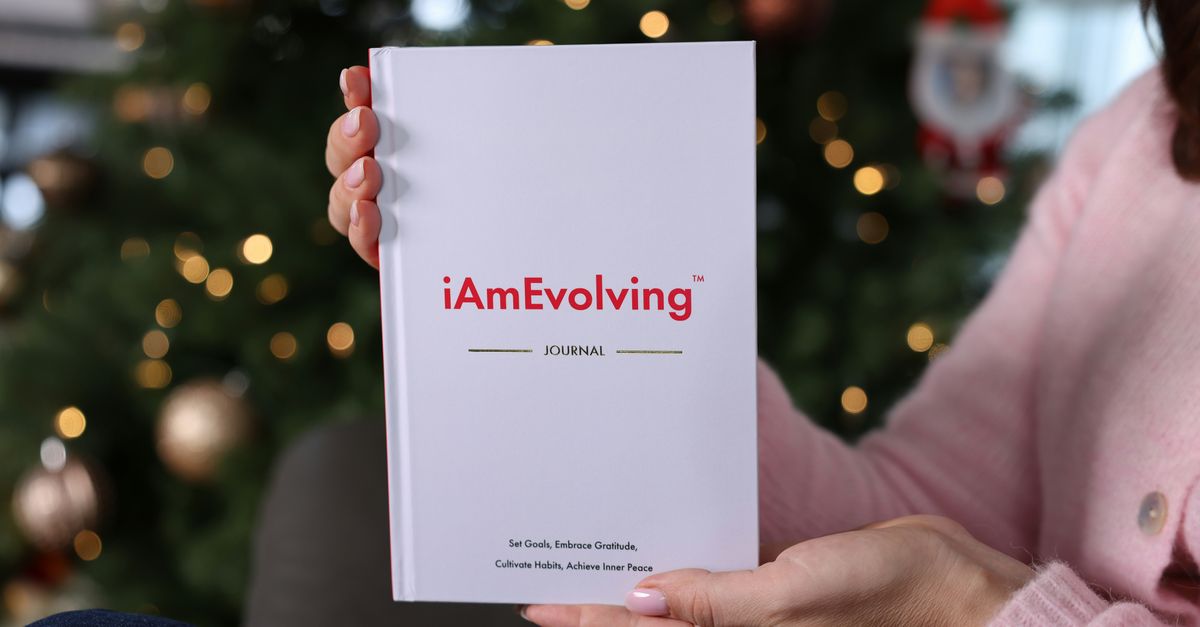
Another effective morning practice is to keep a gratitude journal by your bedside. Each morning, jot down 3-5 things you are genuinely thankful for. Don’t overthink it; let the thoughts flow naturally. This ritual trains your brain to proactively seek out positive experiences, making you more attuned to them throughout the day. Consistency is key here; even if you feel rushed, try to squeeze in this small but mighty practice. You’ll likely find that even on challenging days, there’s always something to appreciate.
Incorporate Gratitude into Your Daily Routine
Gratitude doesn’t have to be a separate, formal event. You can weave it into the fabric of your everyday life. One simple method is to pause and acknowledge moments of appreciation as they happen. Did someone hold a door open for you? Did you enjoy a particularly tasty meal? Did a co-worker offer helpful advice? Take a mental note, or even better, express your thanks directly.
Consider implementing a “gratitude jar” in your home. Throughout the week, write down things you’re grateful for on small slips of paper and drop them into the jar. When you’re feeling down, or at the end of the year, open the jar and read through the notes. It’s a beautiful way to reflect on all the good that has occurred. Furthermore, consciously practicing gratitude during routine activities, like washing dishes or walking the dog, can turn mundane tasks into moments of mindfulness and appreciation.
Express Your Gratitude to Others
One of the most powerful ways to solidify your own gratitude is to express it to others. Sharing your appreciation not only makes the other person feel valued but also reinforces your own positive emotions. Think about who has made a difference in your life recently. It could be a family member, a friend, a colleague, or even a service provider.
Write a thank-you note, send a text, make a phone call, or simply offer a sincere verbal acknowledgement. Be specific about what you’re grateful for and how their actions impacted you. This act of sharing creates a ripple effect, strengthening relationships and fostering a more positive environment for everyone involved. Don’t wait for a special occasion; spontaneous expressions of thanks are often the most impactful.
Overcoming Challenges in Cultivating Gratitude
It’s natural to encounter hurdles when trying to integrate any new practice, and cultivating gratitude is no exception. Some days, it might feel forced or inauthentic, especially when you’re facing difficulties. In these moments, try to start small. Instead of aiming for profound revelations, focus on the most basic things: your breath, a warm shelter, access to clean water. Even acknowledging the absence of something negative can be a form of gratitude (e.g., “I’m grateful I don’t have a headache right now”).
Another challenge is comparison. When we constantly compare our lives to others, it can diminish our own sense of gratitude. Remind yourself that everyone’s journey is unique, and focus on your own path and blessings. If you find yourself struggling, revisit your gratitude journal from happier times or simply take a walk in nature, allowing its beauty to reset your perspective. Persistence, even on tough days, will gradually build a stronger gratitude muscle.
Frequently Asked Questions
Q: What is gratitude and why is it important?
A: Gratitude is the quality of being thankful; readiness to show appreciation for and to return kindness. It’s important because it shifts our focus from what’s lacking to what’s abundant, leading to increased happiness, better relationships, reduced stress, and improved well-being.
Q: How often should I practice gratitude?
A: Ideally, practicing gratitude daily is most effective. Even a few minutes each morning or evening, or several quick acknowledgements throughout the day, can make a significant difference. Consistency is more important than duration.
Q: What if I don’t feel grateful? Can I still practice?
A: Yes, absolutely. Gratitude is a practice, not just a feeling. Sometimes, the act of intentionally looking for things to be grateful for can generate the feeling itself. Start with very simple, fundamental things, and the feeling may follow.
Q: Is gratitude journaling the only way to practice gratitude?
A: No, it’s a very popular and effective method, but not the only one. Other practices include expressing gratitude to others, mindful appreciation, creating a gratitude jar, or even just a mental scan of your day for positive moments.
Q: Can practicing gratitude really make me happier?
A: Numerous scientific studies suggest a strong link between practicing gratitude and increased happiness, life satisfaction, and reduced symptoms of depression and anxiety. It helps you notice and savor positive experiences, leading to a more optimistic outlook.
Conclusion
Cultivating gratitude is a simple yet profound practice that has the power to reshape your entire life. It’s not a quick fix, but a sustained effort to intentionally appreciate the good in your world. By starting your day with gratitude, weaving it into your daily routines, and expressing it to others, you can create a powerful cycle of positivity and contentment. Even when faced with challenges, remember that there is always something to be grateful for. Embrace these daily practices, and watch as your perspective shifts, leading you to a happier, more fulfilling existence.
Written by Sofia Eriksson
Health, nutrition & wellness
Sofia is a registered nutritionist dedicated to making healthy eating simple and enjoyable.
You Might Also Like

Hvorfor Din Slankekur Alltid Mislykkes (Og Hva Du Faktisk Kan Gjøre Annerledes)
Er du lei av slankekurer som aldri varer? Finn ut hvorfor tradisjonelle dietter feiler og hvordan du kan skape varig vektendring.

Hvorfor Virtuelle Treningsklasser Ikke Fungerer For Deg (Og Hva Du Kan Gjøre Med Det)
Sliter du med å holde motivasjonen oppe med virtuelle treningsklasser? Finn ut hvorfor de ofte feiler og hva du kan gjøre annerledes.

Hvorfor Din Koffeinavhengighet Tar Mer Enn Den Gir (Og Hvordan Du Får Ekte Energi)
Sliter du med tretthet og er avhengig av kaffe? Lær hvorfor koffein kan gjøre deg trøttere, og få praktiske tips for ekte, varig energi.