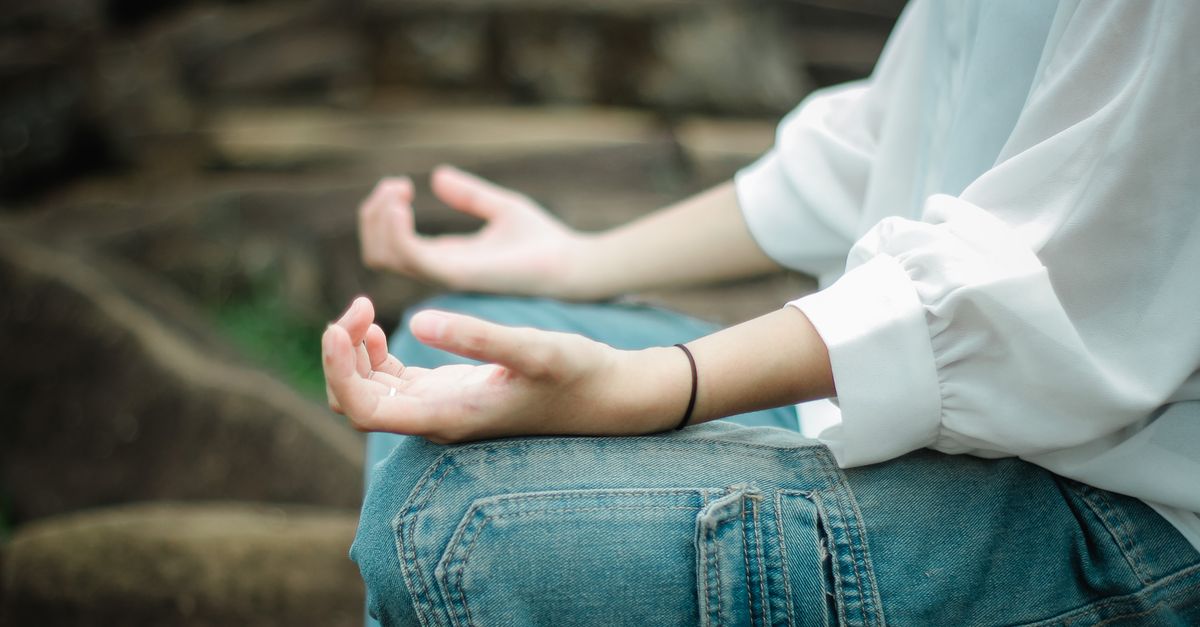
Simple Steps to Reduce Stress and Cultivate Inner Calm
Life in the modern world can often feel like a constant juggling act. Between work deadlines, family responsibilities, social commitments, and the endless stream of information, it’s easy for stress to become an unwelcome constant. While a certain amount of stress can be a motivator, chronic stress takes a significant toll on our physical and mental well-being, impacting everything from our sleep and digestion to our mood and relationships.
But here’s the good news: you don’t have to surrender to its relentless grip. There are many simple, effective strategies you can incorporate into your daily routine to reduce stress and foster a greater sense of peace and balance. This article will guide you through practical steps you can take today to reclaim your calm and improve your overall quality of life. Let’s explore how you can actively manage and reduce stress in your life.
Understand Your Stress Triggers
The first step to effectively reduce stress is to identify what’s causing it. Stress isn’t always obvious, and sometimes we might be reacting to underlying factors we haven’t acknowledged. Take some time to reflect on situations, people, or thoughts that consistently make you feel overwhelmed, anxious, or tense. Keeping a stress journal for a week or two can be incredibly insightful. Note down:
- The situation: What was happening?
- Your reaction: How did you feel emotionally and physically?
- Your thoughts: What were you telling yourself?
- Your coping mechanism (if any): What did you do?
Understanding your triggers empowers you. Once you know what sets you off, you can start to develop strategies to either avoid those triggers (if possible) or change your reaction to them. For example, if crowded places make you anxious, perhaps you can shop during off-peak hours. If endless emails are a problem, dedicate specific times to checking your inbox rather than letting it constantly interrupt your flow.
Embrace Mindfulness and Deep Breathing
One of the most powerful tools to reduce stress is already within you: your breath. When we’re stressed, our breathing tends to become shallow and rapid. By consciously slowing down and deepening our breath, we can activate the parasympathetic nervous system, which is responsible for the body’s ‘rest and digest’ state, counteracting the ‘fight or flight’ response.
Mindful Breathing Exercise:
- Find a quiet place to sit comfortably.
- Place one hand on your chest and the other on your stomach.
- Inhale slowly and deeply through your nose for a count of four, feeling your stomach rise.
- Hold your breath for a count of two.
- Exhale slowly through your mouth for a count of six, feeling your stomach fall.
- Repeat this for 5-10 minutes. Focus solely on the sensation of your breath.
Beyond formal exercises, try to incorporate moments of mindfulness throughout your day. When you’re drinking your morning coffee, really taste it. When you’re walking, notice the sounds, smells, and sights around you. These small moments of presence can interrupt the cycle of anxious thoughts and bring you back to the present.
Prioritize Self-Care and Movement
Self-care isn’t a luxury; it’s a necessity for managing stress. Many people mistakenly believe self-care means expensive spa days, but it’s much simpler than that. It’s about consistently doing things that replenish your energy and well-being. This could be reading a book, listening to music, spending time in nature, or engaging in a hobby you love.
Equally important is physical activity. Exercise is a phenomenal stress-buster. When you engage in physical activity, your body releases endorphins, natural mood lifters. It also helps to burn off excess stress hormones like cortisol and adrenaline. You don’t need to become an athlete overnight; even short bursts of activity can make a difference:
- A brisk 30-minute walk during your lunch break.
- Dancing to your favorite music for 15 minutes.
- Taking the stairs instead of the elevator.
- Practicing gentle yoga or stretching.
Find an activity you enjoy, as you’ll be more likely to stick with it. Regular movement not only helps to reduce stress directly but also improves sleep quality and overall physical health, creating a positive feedback loop.
Optimize Your Nutrition and Sleep to Reduce Stress
What you eat and how well you sleep profoundly impact your stress levels. A diet high in processed foods, sugar, and unhealthy fats can exacerbate stress and anxiety, leading to energy crashes and mood swings. Conversely, a balanced diet rich in whole foods provides the steady energy and nutrients your brain needs to function optimally and manage stress.
Nutritional Tips:
- Eat regular meals: This helps to stabilize blood sugar levels.
- Hydrate: Dehydration can mimic symptoms of anxiety.
- Include omega-3 fatty acids: Found in fish, flaxseed, and walnuts, they support brain health.
- Limit caffeine and alcohol: While they might offer a temporary lift or unwind, they can disrupt sleep and increase anxiety in the long run.
Sleep is your body’s essential repair and reset mechanism. Chronic sleep deprivation significantly increases stress hormones and impairs your ability to cope with daily challenges. Aim for 7-9 hours of quality sleep per night. Establish a consistent sleep schedule, create a relaxing bedtime routine, and make sure your bedroom is dark, quiet, and cool.
Cultivate Strong Social Connections and Set Boundaries
Humans are social creatures, and strong social connections are a powerful buffer against stress. Sharing your feelings with a trusted friend, family member, or even a support group can provide perspective, emotional support, and a sense of belonging. Don’t isolate yourself when you’re feeling stressed; reach out.
Equally important is learning to set healthy boundaries. This means knowing your limits and being able to say ‘no’ without guilt. Whether it’s declining an extra task at work, saying no to a social invitation when you’re feeling overwhelmed, or limiting time with people who drain your energy, boundaries protect your time, energy, and mental well-being. Remember, protecting your peace isn’t selfish; it’s self-preservation.
Frequently Asked Questions
Q: How quickly can I expect to feel a difference when I start implementing these strategies to reduce stress?
A: You might feel a subtle difference almost immediately with practices like deep breathing and mindfulness. However, significant, lasting changes in stress levels typically develop over weeks or months of consistent effort. Be patient and consistent with your practice.
Q: What if I feel like I don’t have time for self-care or exercise?
A: Start small. Even 5-10 minutes of a calming activity or a brisk walk can make a difference. The key is consistency. Schedule these activities into your day like any other important appointment. Remember, making time to reduce stress is an investment in your overall health and productivity.
Q: Can stress impact my physical health?
A: Absolutely. Chronic stress can manifest as headaches, muscle tension, digestive issues, a weakened immune system, high blood pressure, and even contribute to more serious health problems over time. Reducing stress is vital for both mental and physical health.
Q: When should I seek professional help for stress?
A: If your stress feels overwhelming, is significantly impacting your daily life, sleep, relationships, or work, or if you’re experiencing symptoms like persistent sadness, hopelessness, or panic attacks, it’s wise to consult a doctor or a mental health professional. They can provide tailored support and strategies.
By taking simple steps to reduce stress in your daily life, you are not just alleviating immediate discomfort; you are investing in your long-term health and happiness. Start with one or two strategies that resonate most with you, implement them consistently, and gradually build a toolkit of habits that support your inner calm. Remember, managing stress is an ongoing process, not a one-time fix. Be kind to yourself, celebrate small victories, and commit to creating a life that feels more balanced and peaceful. You deserve to live a life with less stress and more joy.
Written by Sofia Eriksson
Health, nutrition & wellness
Sofia is a registered nutritionist dedicated to making healthy eating simple and enjoyable.
You Might Also Like

Hvorfor Din Slankekur Alltid Mislykkes (Og Hva Du Faktisk Kan Gjøre Annerledes)
Er du lei av slankekurer som aldri varer? Finn ut hvorfor tradisjonelle dietter feiler og hvordan du kan skape varig vektendring.

Hvorfor Virtuelle Treningsklasser Ikke Fungerer For Deg (Og Hva Du Kan Gjøre Med Det)
Sliter du med å holde motivasjonen oppe med virtuelle treningsklasser? Finn ut hvorfor de ofte feiler og hva du kan gjøre annerledes.
Hvorfor Din Koffeinavhengighet Tar Mer Enn Den Gir (Og Hvordan Du Får Ekte Energi)
Sliter du med tretthet og er avhengig av kaffe? Lær hvorfor koffein kan gjøre deg trøttere, og få praktiske tips for ekte, varig energi.