Declutter Your Home, Transform Your Life: A Practical Guide to a Lighter Living Space
Life often feels overwhelming, isn’t it? From the endless to-do lists to the constant demands on our time, it’s easy for our physical spaces to mirror that internal chaos. A cluttered home isn’t just an eyesore; it’s a drain on our energy, a source of stress, and a barrier to a more peaceful, productive life. Imagine walking into a room where everything has its place, where visual noise is minimized, and where you can truly relax and recharge. This isn’t a fantasy; it’s an achievable reality. Learning how to declutter your home effectively is one of the most powerful steps you can take to enhance your daily living experience. It’s not just about tidiness; it’s about creating an environment that supports your best self, allowing you to think more clearly, feel less stressed, and enjoy your surroundings more fully.
In this guide, we’ll explore actionable strategies to help you tackle clutter in a sustainable way, moving beyond quick fixes to lasting change. You’ll discover how to approach each area of your home with purpose, make confident decisions about what to keep and what to let go of, and establish routines that prevent clutter from accumulating again. Get ready to transform your living space and, in turn, transform your life.
Understanding the ‘Why’ Behind the Clutter
Before you even pick up an item, it’s crucial to understand why clutter accumulates in the first place. Often, it’s not just about having too much stuff; it’s about our relationship with our possessions. Do you keep items out of guilt, sentimentality, or fear of needing them ‘someday’? Are you prone to impulse purchases? Or perhaps you haven’t established clear homes for your belongings, leading to piles of ‘misplaced’ items. Identifying your personal clutter triggers can provide valuable insight and help you develop strategies to prevent future accumulation. For instance, if you’re holding onto things ‘just in case,’ consider establishing a ‘maybe’ box with a date, and if you haven’t used the items by that date, let them go. Acknowledging these patterns is the first step towards a more mindful approach to acquiring and maintaining your possessions, making it easier to declutter your home with intention.
Actionable Steps to Declutter Your Home
Ready to get started? Here’s a practical, room-by-room approach to tackle the clutter:
1. Start Small: The ‘One Drawer’ or ‘One Shelf’ Method
Don’t try to declutter your entire house in one weekend. That’s a recipe for burnout. Instead, pick a small, manageable area – a single drawer, a shelf in your pantry, or your bedside table. The goal here is to experience a quick win, build momentum, and understand the process before taking on bigger projects. This focused approach reduces overwhelming feelings and allows you to practice decision-making in a less daunting context. When you successfully clear that one small space, the sense of accomplishment will fuel your motivation to continue.
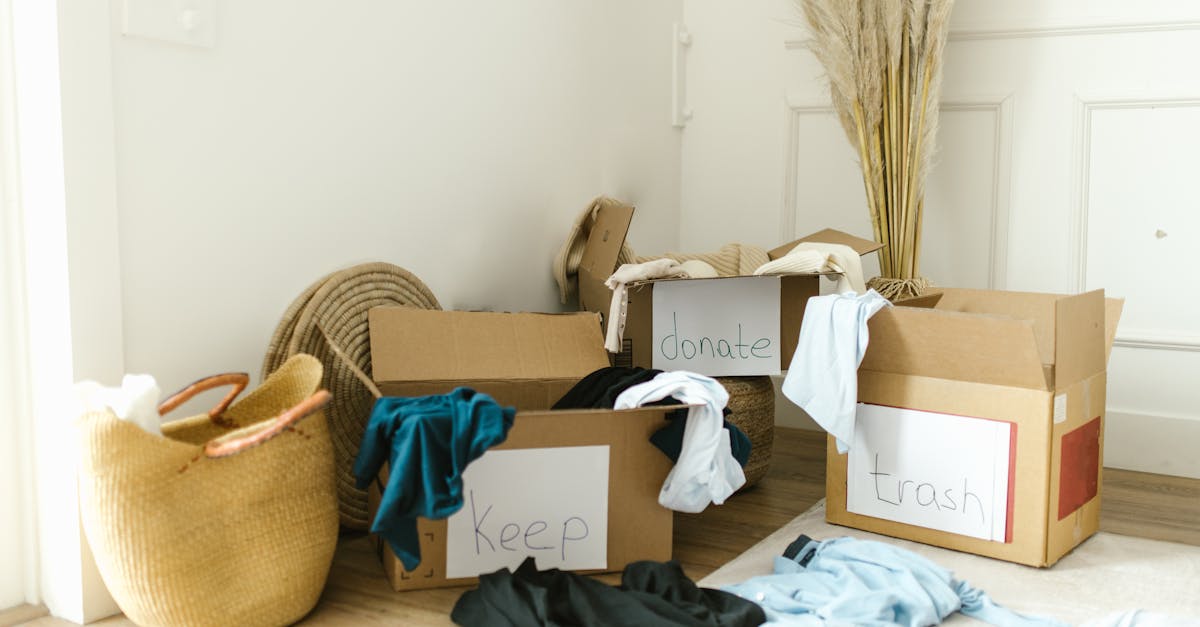
2. The Four-Box System
As you go through items, use four designated boxes or bags: ‘Keep,’ ‘Donate/Sell,’ ‘Recycle,’ and ‘Trash.’
- Keep: Only items you truly love, use regularly, or are essential. Be honest with yourself. If you haven’t used something in a year (or even six months for clothing), consider letting it go.
- Donate/Sell: Items in good condition that you no longer need but others could use. Consider local charities, consignment shops, or online marketplaces.
- Recycle: Paper, plastic, glass, and other materials that can be recycled according to your local guidelines.
- Trash: Broken items, expired products, or anything that truly belongs in the bin.
This system provides a clear framework for decision-making and ensures that items don’t just get moved from one pile to another. The quicker you can sort items into these categories, the faster you’ll declutter your home.
3. Tackle Categories, Not Just Rooms
While starting with a room can be effective, a more advanced strategy is to declutter by category across your entire home. For example, gather all your books from every room and sort them in one go. Do the same for clothes, kitchen gadgets, or personal care products. This method helps you see the true volume of what you own in a particular category, often revealing duplicates or excessive amounts that you weren’t aware of. It makes it easier to set limits and decide what you truly need and value.
4. Create a ‘Home’ for Everything
Clutter often reappears because items don’t have a designated place to live. Once you’ve decided what to keep, the next crucial step is to give every single item a ‘home.’ This might involve investing in simple organizational tools like drawer dividers, shelf organizers, or storage bins. The key is that every item, once used, should return to its home effortlessly. This makes daily tidying quick and prevents surfaces from becoming dumping grounds. When everything has a place, it’s much easier to maintain your newly decluttered space.
Maintaining Your Decluttered Home
Decluttering isn’t a one-time event; it’s an ongoing practice. To prevent clutter from creeping back in, adopt these habits:
- The One-In, One-Out Rule: When you buy something new, commit to getting rid of something similar. New shirt? Donate an old one. New book? Pass one along.
- Regular ‘Power Purges’: Dedicate 10-15 minutes each week to quickly scan your most clutter-prone areas (kitchen counter, entry table) and put things away or sort through new items.
- Seasonal Decluttering: Twice a year (e.g., spring and fall), do a deeper dive into areas like closets, storage rooms, or garages to reassess what you own.
- Be Mindful of New Acquisitions: Before bringing something new into your home, ask yourself: Do I truly need this? Do I have a place for it? Will it add value to my life, or just more stuff?
Frequently Asked Questions
Q: What if I have sentimental items I can’t bear to part with?
A: Sentimental items are often the hardest. Consider taking photos of them, and then keeping only a select few truly cherished pieces. For physical items, perhaps store them in a single designated ‘memory box’ rather than scattered throughout your home.
Q: How do I deal with family members who are resistant to decluttering?
A: Lead by example. Focus on your own spaces first and let them see the positive impact. Avoid forceful approaches, which can create resentment. Instead, offer to help them with their own areas if they express interest, and emphasize the benefits of a calmer home environment.
Q: I feel overwhelmed and don’t know where to start. What’s the absolute first step?
A: Start with something small and easy, like a junk drawer, your wallet, or a single shelf. The goal is to get a quick win and build confidence. Don’t aim for perfection, just progress.
Q: How often should I declutter to keep my home tidy?
A: While a big decluttering session is great, the most effective approach is regular maintenance. Aim for 10-15 minutes of tidying daily and a quick ‘power purge’ of a specific area weekly. A more thorough seasonal review (every 3-6 months) can also be very beneficial.
Q: Is it better to declutter alone or with help?
A: For most people, decluttering alone is best as it allows for personal reflection and decision-making without external pressure. However, if you feel truly stuck, a trusted friend or professional organizer can offer objective advice and motivation.
Successfully learning how to declutter your home is more than just tidying up; it’s about reclaiming your space, your time, and your peace of mind. By adopting these practical strategies and fostering a mindful approach to your possessions, you can create an environment that supports a calmer, more intentional way of living. It takes time and consistent effort, but the rewards—a serene home and a clearer head—are immeasurable. Start today, one small step at a time, and watch your life transform.
Written by Anna Lindholm
Home organization & personal finance
Anna is a veteran editor with a keen eye for compelling stories and practical advice.
You Might Also Like

Why Most Decluttering Efforts Fail (And The Secret to Long-Term Success)
Discover why common decluttering advice misses the mark and learn practical, long-term strategies for a truly organized home. Anna Lindholm explains.
Gardening for Beginners: Your Practical Guide to Growing Your Own Food
Discover how easy it is to start gardening for beginners. Learn practical tips for growing your own food, even with limited space.

Home Organization Tips That Actually Work
Getting organized isn't about buying more storage bins — it's about owning less and creating systems that run on autopilot.