Gardening for Beginners: Your Practical Guide to Growing Your Own Food
For many, the idea of growing your own food sounds like a delightful dream – fresh, organic produce right from your backyard or balcony. Yet, it’s often accompanied by a quiet dread: Where do I even begin? The good news is that gardening for beginners isn’t as daunting as it seems. With a little planning, some basic knowledge, and a willingness to learn, you can transform a patch of soil or a collection of pots into a thriving edible garden. This guide will walk you through the practical steps to get started, helping you cultivate not just food, but also a rewarding new hobby and a deeper connection to nature.
There’s a unique satisfaction that comes from harvesting a tomato you’ve nurtured from a tiny seed, or plucking fresh herbs for your evening meal. Beyond the culinary delights, gardening offers numerous benefits for your well-being, from physical activity and stress reduction to the simple joy of watching life grow. Let’s dig in and explore how you can start your own food-growing adventure.
Choosing Your Space and First Crops
The first step in gardening for beginners is assessing your available space and sunlight. Do you have a sunny balcony, a small patio, a windowsill, or a larger backyard plot? Most edible plants need at least 6 hours of direct sunlight per day to thrive. Observe your chosen spot throughout the day to understand its light patterns. If sunlight is limited, don’t despair! Many leafy greens like lettuce, spinach, and Swiss chard, along with some herbs such as mint and cilantro, can tolerate partial shade.
Next, decide what you want to grow. For beginners, it’s wise to start with easy-to-grow plants that are resilient and have a high success rate. Some excellent choices include:
- Herbs: Basil, mint, parsley, chives, oregano (often do well in pots).
- Leafy Greens: Lettuce (various types), spinach, kale, arugula.
- Root Vegetables: Radishes, carrots (choose shorter varieties for containers).
- Fruiting Vegetables: Cherry tomatoes (bush varieties are great for pots), bell peppers, zucchini (can be prolific, consider space).
Start small. It’s better to have a few successful plants than to be overwhelmed by too many failures. As you gain confidence, you can gradually expand your garden.
Essential Tools and Soil Prep
You don’t need a huge arsenal of tools to start. Here are the basics:
- Gardening gloves: To protect your hands.
- Hand trowel: For digging small holes and transplanting.
- Small rake or cultivator: For preparing soil and weeding.
- Watering can or hose with a gentle nozzle: Consistent watering is key.
- Pruning shears: For harvesting and tidying up plants.
Perhaps the most critical component for a successful garden is healthy soil. For in-ground gardens, good soil should be loose, well-draining, and rich in organic matter. If your soil is heavy clay or very sandy, amend it with compost or aged manure to improve its structure and fertility. These organic materials provide essential nutrients and help the soil retain moisture.
For container gardening, always use a high-quality potting mix specifically designed for containers. This mix is lighter, provides excellent drainage, and is formulated with nutrients for potted plants. Avoid using garden soil in containers as it can compact, drain poorly, and introduce pests or diseases.
Planting, Watering, and Care for Beginners
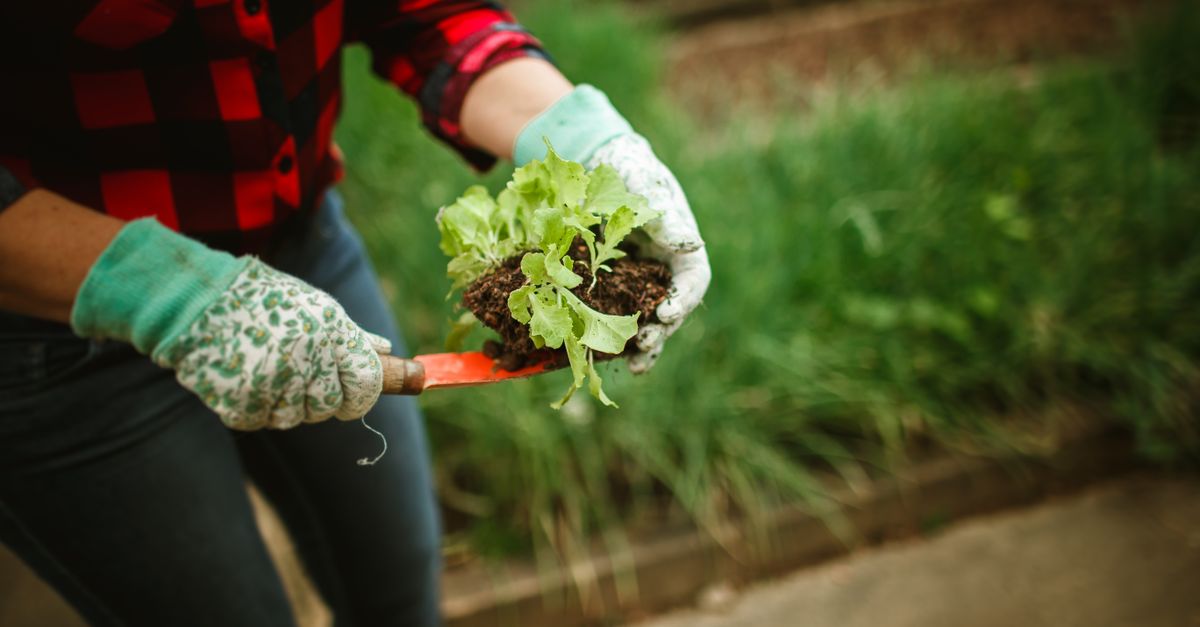
Once you have your space, plants, and soil ready, it’s time to plant! You can start plants from seed or purchase young starter plants (transplants) from a nursery. Starting with transplants is often easier for beginners as they are already established.
When planting, ensure you follow the spacing recommendations on seed packets or plant tags. Overcrowding can lead to poor air circulation, increased disease risk, and reduced yields. Dig a hole slightly larger than the plant’s root ball, gently place the plant, and backfill with soil, lightly firming it around the base. Water thoroughly immediately after planting.
Watering is crucial. The general rule of thumb is to water deeply and regularly, especially during dry periods. Check the soil moisture by sticking your finger about an inch or two into the soil. If it feels dry, it’s time to water. Avoid overhead watering late in the day, as wet leaves overnight can encourage fungal diseases. Water at the base of the plant, preferably in the morning.
Weeding is another ongoing task. Weeds compete with your plants for water, nutrients, and sunlight. Remove them as soon as you spot them. A layer of mulch (like straw, wood chips, or shredded leaves) around your plants can help suppress weeds, conserve soil moisture, and regulate soil temperature.
As your plants grow, you’ll also need to consider feeding them. While healthy soil provides nutrients, container plants or heavy feeders (like tomatoes) will benefit from regular fertilization. Use an organic liquid fertilizer or slow-release granular fertilizer according to package directions.
Troubleshooting Common Gardening Challenges
Even experienced gardeners face challenges, so don’t be discouraged if things don’t go perfectly at first. Here are a few common issues and tips:
- Yellowing leaves: Often a sign of too much or too little water, or a nutrient deficiency. Check soil moisture and consider fertilizing.
- Pests: Inspect your plants regularly. Small infestations can often be controlled by hand-picking pests off the leaves or using a strong spray of water to dislodge them. For more persistent issues, look into organic pest control methods like neem oil or insecticidal soap.
- Bolting: When leafy greens like lettuce go to seed prematurely, often due to heat stress. Harvest frequently to delay bolting, or plant heat-tolerant varieties.
- Lack of fruit: For fruiting plants, this could be due to insufficient pollination. Encourage pollinators by planting flowers nearby or try hand-pollination for some plants.
Embrace these challenges as learning opportunities. Each season brings new insights into what works best in your specific garden environment.
Frequently Asked Questions
Q: How much space do I really need to start gardening?
A: You can start with surprisingly little space! A few pots on a sunny windowsill are enough for herbs, a balcony can host several vegetable plants, and even a small raised bed in a compact backyard can be highly productive. Focus on vertical gardening or small-space solutions if space is a primary concern.
Q: What’s the easiest vegetable to grow for a total beginner?
A: Radishes and lettuce are often considered the easiest. Radishes grow incredibly quickly, offering a fast reward, while lettuce is forgiving and produces continuously if harvested correctly. Many herbs like basil and mint are also very straightforward to grow.
Q: How often should I water my plants?
A: There’s no fixed schedule, as it depends on weather, plant type, and soil. The best method is to check the soil moisture daily. Stick your finger an inch or two into the soil; if it feels dry, it’s time to water. Water deeply until you see water draining from the bottom of pots or until the soil is thoroughly moistened.
Q: Do I need special tools to start gardening?
A: Not at all! While a hand trowel, gloves, and a watering can are very useful, you can improvise with old kitchen spoons for digging, and even use recycled containers as pots initially. Focus on good soil and sunlight first, and acquire tools as you discover your needs.
Q: Can I grow vegetables indoors?
A: Yes, many plants can thrive indoors, especially if you have a bright, sunny window or consider supplemental grow lights. Herbs, leafy greens, and some smaller fruiting plants like cherry tomatoes can do well. Ensure they get enough light and proper air circulation.
Conclusion
Embarking on your journey of growing your own food is an incredibly rewarding experience. From the first tiny sprout to the bountiful harvest, gardening for beginners offers fresh, healthy produce, a connection to nature, and a profound sense of accomplishment. Don’t be afraid to get your hands dirty, experiment, and learn along the way. Even small steps, like starting with a single herb plant or a pot of lettuce, can lead to a greener thumb and a more vibrant, self-sufficient lifestyle. Happy gardening!
Written by Johan Karlsson
Hobbies, travel & sustainable living
Johan is a lifestyle writer passionate about sustainable living and creative hobbies.
You Might Also Like

Why Most Decluttering Efforts Fail (And The Secret to Long-Term Success)
Discover why common decluttering advice misses the mark and learn practical, long-term strategies for a truly organized home. Anna Lindholm explains.
Declutter Your Home, Transform Your Life: A Practical Guide to a Lighter Living Space
Discover practical tips to declutter your home and create a more serene, functional living space, improving your well-being and productivity.

Home Organization Tips That Actually Work
Getting organized isn't about buying more storage bins — it's about owning less and creating systems that run on autopilot.