
Why Most Decluttering Efforts Fail (And The Secret to Long-Term Success)
For years, I believed I was a lost cause when it came to decluttering. I’d spend entire weekends pulling everything out of a closet, only to shove it all back in, exhausted and defeated, feeling like I’d merely rearranged the chaos. The internet was full of advice: ‘get rid of what you haven’t used in a year,’ ‘fold your clothes KonMari style,’ ‘use cute bins.’ I tried it all. And it all failed. My home remained a cluttered mess, a constant source of low-grade stress that shadowed my everyday life.
What I’ve come to understand, after years of trial and error (and a significant amount of personal frustration), is that most popular decluttering methods fail for a fundamental reason: they treat the symptoms, not the root cause. They focus on the stuff rather than the habits and mindset that led to the accumulation in the first place. You can empty a drawer, but if you don’t change the underlying behaviors, that drawer will be full again in a month. It was only when I shifted my focus from grand, sweeping purges to consistent, small, psychological shifts that I finally began to see lasting change.
If you’ve ever felt overwhelmed, disheartened, or like your efforts are always undone, this article is for you. We’re going to dive deep into why conventional wisdom often falls short and, more importantly, what actually works to create a home that supports, rather than stresses, you. This isn’t about perfectly minimalist living; it’s about reclaiming your space and your peace of mind, one intentional decision at a time.
Key Takeaways
- Most decluttering fails because it addresses the symptoms (too much stuff) rather than the root causes (unintentional habits and emotional attachments).
- Focus on building a ‘clutter immune system’ through daily micro-habits rather than relying on infrequent, overwhelming purge sessions.
- Understand your personal ‘clutter triggers’ and emotional barriers to letting go to develop sustainable strategies.
- Implement a ‘one in, one out’ rule rigorously and create specific homes for everything to prevent future accumulation.
The Flaw in the ‘Big Purge’ Mentality
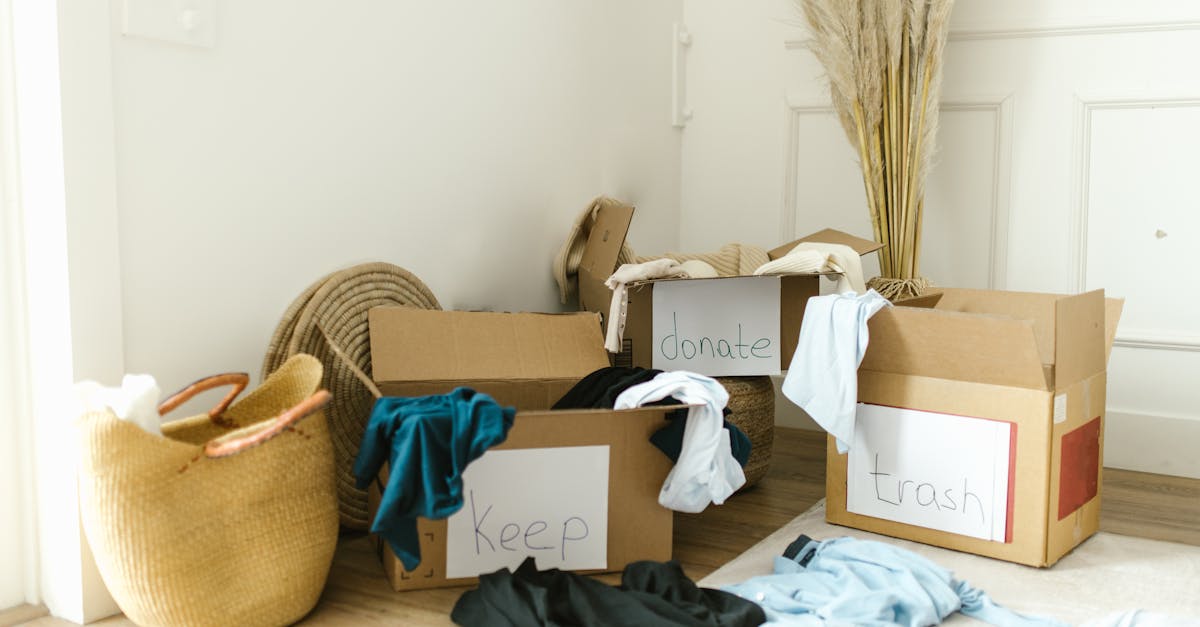
The most common advice you hear is to pick a room, pull everything out, and ruthlessly discard what you don’t need. While this can provide a temporary visual improvement, it often sets you up for failure in the long run. Why? Because it’s an unsustainable burst of energy, not a lifestyle change. Think of it like a crash diet: you can lose a lot of weight quickly, but if you return to your old eating habits, the weight comes back, often with extra.
In my experience, these massive purges are physically and emotionally draining. You face hundreds, if not thousands, of decisions in one go. Decision fatigue sets in rapidly, leading to poor choices, indecision, and ultimately, a pile of ‘maybes’ that often just get stored away again. I remember one infamous Saturday where I tackled my wardrobe. After four hours, I was so overwhelmed I just shoved everything back into drawers and onto shelves, even the items I had initially decided to donate. The effort felt wasted, and the emotional toll was significant. I felt like a failure because I couldn’t ‘finish’ the task.
Furthermore, the ‘big purge’ doesn’t teach you how to prevent the clutter from returning. It’s a one-time event, not a system. Without changing the input (what comes into your home) and the internal processes (how you manage what’s already there), your space will inevitably revert to its former state. The secret isn’t to purge harder; it’s to purge smarter and less often, by building daily habits that prevent accumulation in the first place.
Understanding Your Clutter Triggers: The Hidden Psychological Barriers
Clutter isn’t just physical; it’s deeply psychological. We hold onto things for reasons that often have little to do with their utility. Common emotional triggers include:
- Sentimentality: ‘This was a gift from my grandmother,’ ‘This reminds me of a special trip.’
- Fear of need/waste: ‘I might need this someday,’ ‘It would be a waste to get rid of something still perfectly good.’
- Identity: ‘This book collection shows I’m intellectual,’ ‘These old craft supplies show I’m creative.’
- Aspiration: ‘I’ll learn to play the guitar someday,’ ‘These clothes will fit when I lose weight.’
For me, the biggest trigger was aspiration. My attic was filled with half-finished craft projects, books on coding I swore I’d learn, and sports equipment for hobbies I’d tried once. Each item represented a version of myself I wanted to be, but wasn’t. Letting go felt like admitting defeat or giving up on a dream.
What changed everything for me was reframing these items. Instead of seeing them as symbols of future potential, I started to see them as anchors to past aspirations that weren’t serving my current self. The unfinished knitting project wasn’t inspiring; it was a constant reminder of something I hadn’t completed. The aspirational items were taking up physical and mental space that could be dedicated to things I actually did and enjoyed.
To overcome this, you need to honestly identify why you’re holding onto something. When you pick up an item, ask yourself: ‘Does this item serve my current life, or my idealized future self? Is it creating joy or obligation?’ This simple reframing can be incredibly powerful in breaking the emotional hold.
The Power of the ‘Clutter Immune System’: Daily Micro-Habits That Matter
Instead of infrequent, massive purges, think about building a ‘clutter immune system’ through small, consistent daily actions. This is about prevention and maintenance, not emergency clean-ups. What changed everything for me was adopting two core principles:
The 10-Minute Tidy: Every single day, without fail, I spend 10 minutes (sometimes less, sometimes a bit more) putting things away. This isn’t deep cleaning; it’s returning items to their designated homes, tossing obvious trash, and wiping down surfaces. It prevents small messes from escalating into overwhelming chaos. It sounds too simple to be effective, but the cumulative effect is profound. My home rarely gets to a truly cluttered state anymore.
The ‘One In, One Out’ Rule: This is non-negotiable for categories prone to accumulation. Buy a new shirt? An old one goes. Get a new book? Donate or sell an existing one. Bring a new gadget home? Recycle or sell an old one. This rule forces conscious consumption and prevents the endless growth of categories. For things like children’s toys or kitchen gadgets, I often apply a ‘two out’ rule for every ‘one in’ to actively reduce volume.
These habits require discipline at first, but they quickly become automatic. They prevent the need for those dreaded weekend-long decluttering marathons that so often end in despair. It’s about being proactive, not reactive, to the flow of items in and out of your home.
Creating ‘Homes’ for Everything: The Foundation of Order
One of the biggest reasons things pile up is the lack of a designated ‘home.’ If an item doesn’t have a specific place where it belongs, it will inevitably end up on a counter, a chair, or the floor. Think about your keys: you probably have a hook or a bowl where they always go. Why? Because it’s convenient and reduces mental effort. Extend this principle to everything else.
- Categorize: Group similar items together. All batteries in one drawer, all charging cables in one bin, all medications in one cabinet.
- Designate a ‘Home’: Once categorized, assign each category a specific, logical storage location. It doesn’t have to be perfect, but it needs to exist. For example, my reusable shopping bags used to be stuffed into a closet; now they hang on a hook by the back door, ready for use.
- Label (if needed): For opaque bins or drawers, labels remove guesswork and make it easier for everyone in the household to put things back correctly.
- Evaluate Accessibility: Store frequently used items in easy-to-reach places. Rarely used items (seasonal decorations, spare linens) can go higher up or in less accessible storage.
The critical insight here is that you must create a home before you put something away. If you find yourself holding an item and thinking, ‘Where should this go?’ that’s a signal that it doesn’t have a designated spot. Your first task isn’t to put it away somewhere random; it’s to create its proper home. This systematic approach reduces decision fatigue and makes tidying a mindless, efficient task rather than a constant puzzle.
The 80/20 Rule of Consumption: Buying Less, Living More
Finally, the most effective long-term decluttering strategy isn’t about getting rid of things, but about not bringing them in in the first place. This is where the 80/20 rule comes into play: roughly 80% of your clutter comes from 20% of your purchasing decisions (or gifts, freebies, etc.).
- Be a Gatekeeper: Before anything enters your home, apply a strict filter. Do you genuinely need it? Do you love it? Do you have a place for it? Is it replacing something old? I adopted a rule for impulse buys: if I see something I think I want, I wait 24-48 hours. Most of the time, the urge passes. This simple delay tactic has saved me countless euros and prevented countless items from entering my home.
- Value Experiences Over Things: Consciously shift your spending and focus towards experiences—travel, concerts, workshops, good food with friends—rather than material possessions. These create lasting memories without creating clutter.
- Regular ‘Inventory Checks’: Once every quarter, take 15 minutes to quickly scan a category (e.g., toiletries, books, kitchen gadgets). Are there duplicates? Expired items? Things you genuinely don’t use? This proactive check prevents small accumulations from becoming large problems. I’ve found this especially useful for my pantry and bathroom cabinets.
This mindful approach to consumption transforms your relationship with ‘stuff.’ It’s not about deprivation; it’s about intentionality. It’s about recognizing that every item in your home represents a decision, and making those decisions consciously leads to a more peaceful, less cluttered environment.
Frequently Asked Questions
Q: I’m overwhelmed and don’t know where to start. What’s the absolute first step?
A: Don’t start with a big purge. Instead, begin with the ‘10-Minute Tidy’ daily habit. Focus on simply putting things back in their existing homes, or creating a temporary home if one doesn’t exist. This builds momentum and reduces the visible clutter without overwhelming you with discard decisions.
Q: What if other family members aren’t on board with decluttering?
A: Focus on your own personal spaces first (your dresser, your side of the closet, your desk). Lead by example. When others see the positive impact of a calmer, more organized space, they may become more open to participating. For shared spaces, focus on creating clear ‘homes’ for shared items and setting boundaries for personal items.
Q: How do I deal with sentimental items I truly can’t part with?
A: Instead of getting rid of everything, focus on curating. Choose a select few, most meaningful items. Take photos of others. Consider creating a ‘memory box’ for these special keepsakes, limiting yourself to what fits inside. The goal isn’t to eliminate all sentiment, but to prevent sentimental items from becoming overwhelming clutter.
Q: I keep buying organizers and bins, but my home is still cluttered. Why?
A: Organizers are storage solutions for existing items. If you haven’t decluttered first, you’re merely organizing clutter, not reducing it. Always declutter before you buy storage solutions. Otherwise, you’ll end up with bins full of things you don’t need, adding to the problem.
Q: How often should I declutter to maintain an organized home?
A: With a good ‘clutter immune system’ (daily micro-habits and the ‘one in, one out’ rule), large-scale decluttering becomes less necessary. I do a quick ‘reset’ of a single small category (like a drawer or shelf) for about 15-30 minutes once a week, and a deeper review of a larger area (like a closet or pantry) once a quarter. This proactive approach keeps things manageable.
Decluttering isn’t a destination; it’s an ongoing process, a continuous dance between intentionality and upkeep. The mistake I see most often is treating it as a one-time event to be ‘finished.’ What changed everything for me was realizing that true success comes not from a single heroic effort, but from a persistent commitment to small, sustainable habits and a deeper understanding of why we accumulate. By shifting your focus from purging to preventing, from stuff to systems, you can break free from the cycle of clutter and create a home that truly feels like a sanctuary. Start today, not with a massive clean-out, but with a conscious decision to make one small, intentional choice. Your future self will thank you for it.
Written by Anna Lindholm
Home organization & personal finance
Anna is a veteran editor with a keen eye for compelling stories and practical advice.
You Might Also Like
Declutter Your Home, Transform Your Life: A Practical Guide to a Lighter Living Space
Discover practical tips to declutter your home and create a more serene, functional living space, improving your well-being and productivity.

Gardening for Beginners: Your Practical Guide to Growing Your Own Food
Discover how easy it is to start gardening for beginners. Learn practical tips for growing your own food, even with limited space.

Home Organization Tips That Actually Work
Getting organized isn't about buying more storage bins — it's about owning less and creating systems that run on autopilot.